Speakers
-
![]()
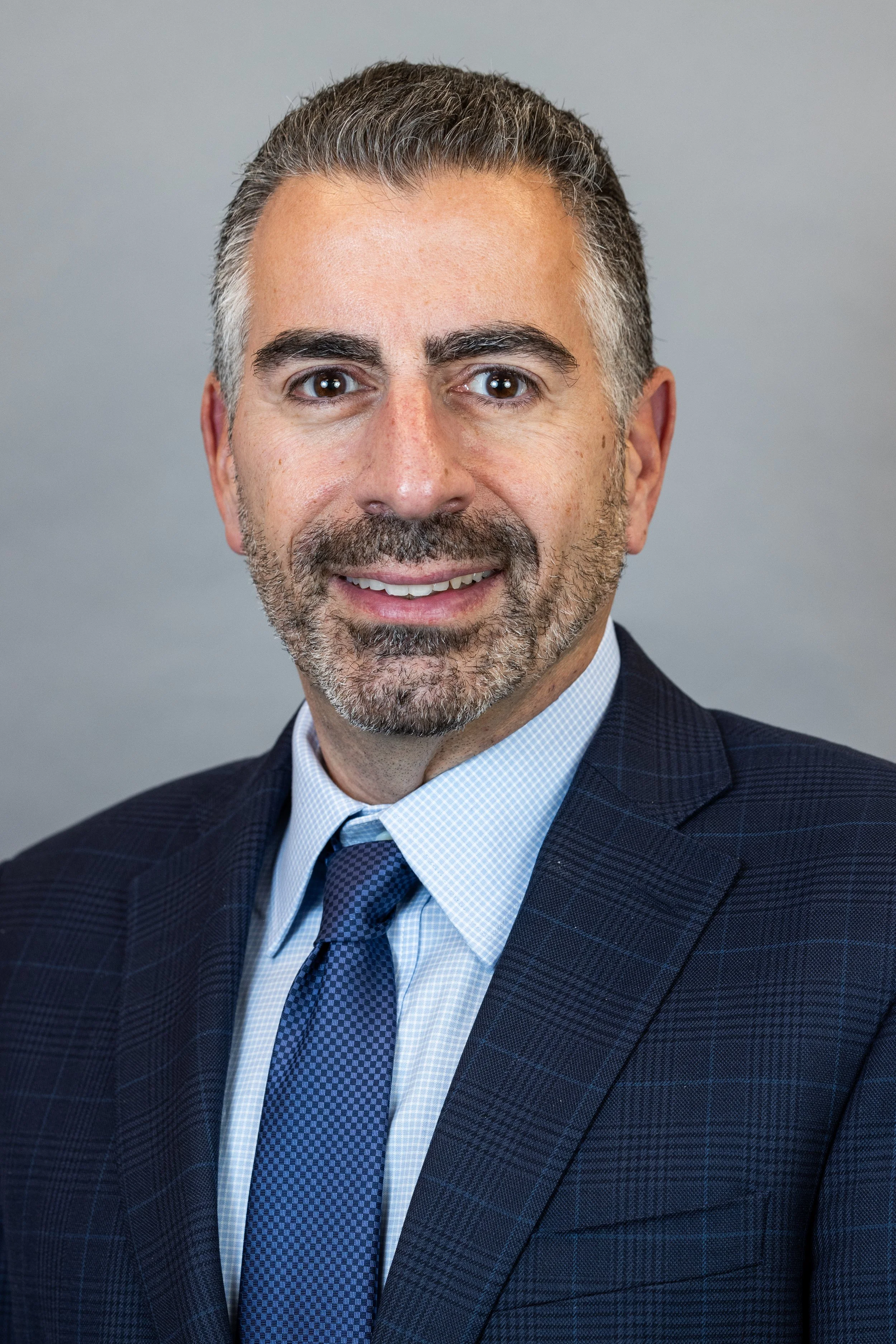
Joseph E. Safdieh, MD
Joseph E. Safdieh, MD is the Richard P. Cohen MD Senior Associate Dean for Education, Vice Chair for Education and Professor of Neurology at Weill Cornell Medicine. A neurologist and nationally recognized educator, he oversees the MD, CME and PA programs and has developed numerous curricula for teaching neurology to medical students and residents. He previously directed the neurology clerkship and outpatient residency training at Weill Cornell. Dr. Safdieh is editor-in-chief of Neurology Today, vice chair of the AAN publications committee, and former chair of the Consortium of Neurology Clerkship Directors. He completed neurology residency and chief residency at Weill Cornell after earning his MD from NYU.
-
![]()
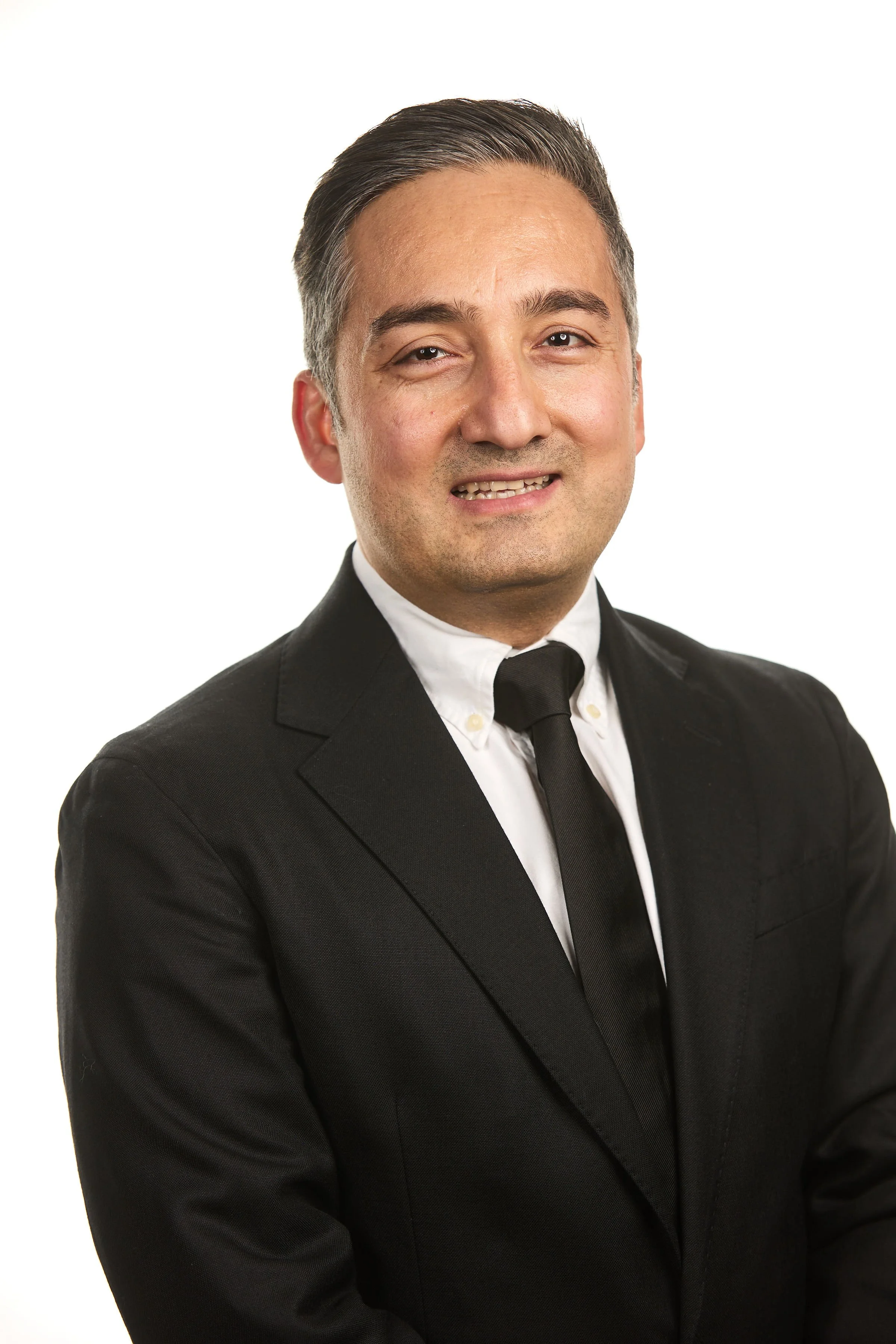
Amir H. Goldan, MD
Dr. Amir H. Goldan, MD is an Associate Professor of Radiology at Weill Cornell Medicine. His research focuses on developing noninvasive virtual imaging technologies for routine monitoring of brain health and for the early screening of brain disorders, including Alzheimer’s and Parkinson’s disease. Dr. Goldan’s work has been supported by the National Institute of Biomedical Imaging and Bioengineering and the National Institute on Aging at the NIH. The overarching mission of Dr. Goldan’s research is to enable earliest detection of brain disorders, years before clinical symptoms emerge, at a stage when non-invasive intervention can promote brain resilience and self-healing.
-
![]()
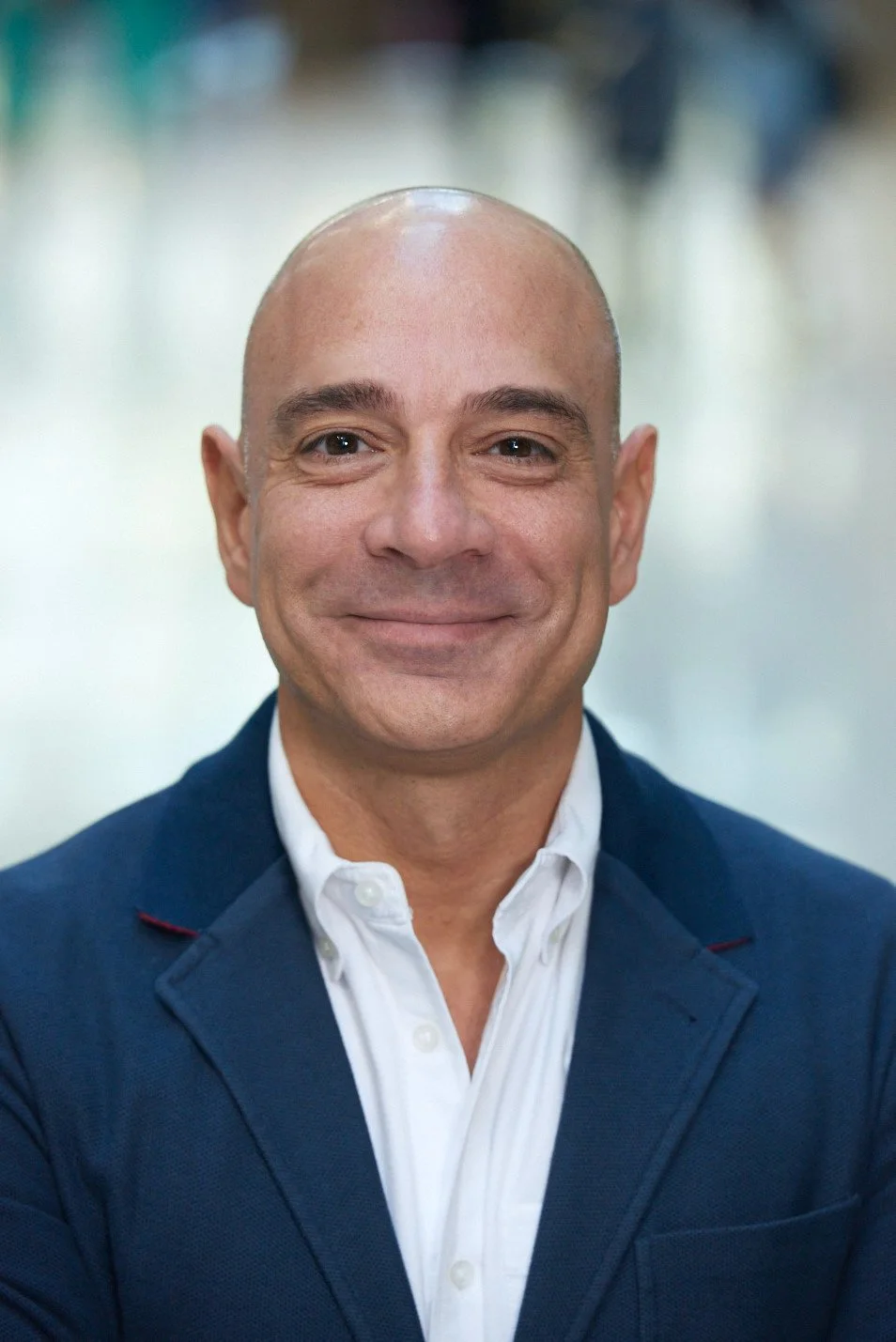
Zahi A. Fayad, PhD
Zahi A. Fayad, PhD is the Lucy G. Moses Professor of Medical Imaging and Bioengineering at the Icahn School of Medicine at Mount Sinai, where he also serves as Vice Chair for Research in Radiology and holds professorships in Medicine (Cardiology) and AI & Human Health. He is the founding Director of the BioMedical Engineering and Imaging Institute (BMEII), home to one of the nation’s top NIH-funded radiology programs (#2 in 2024 per Blue Ridge rankings). Dr. Fayad also co-leads the Mount Sinai system-wide Healthspan initiative, coordinating research, clinical, and digital infrastructure to advance precision prevention across the enterprise.
-
![]()
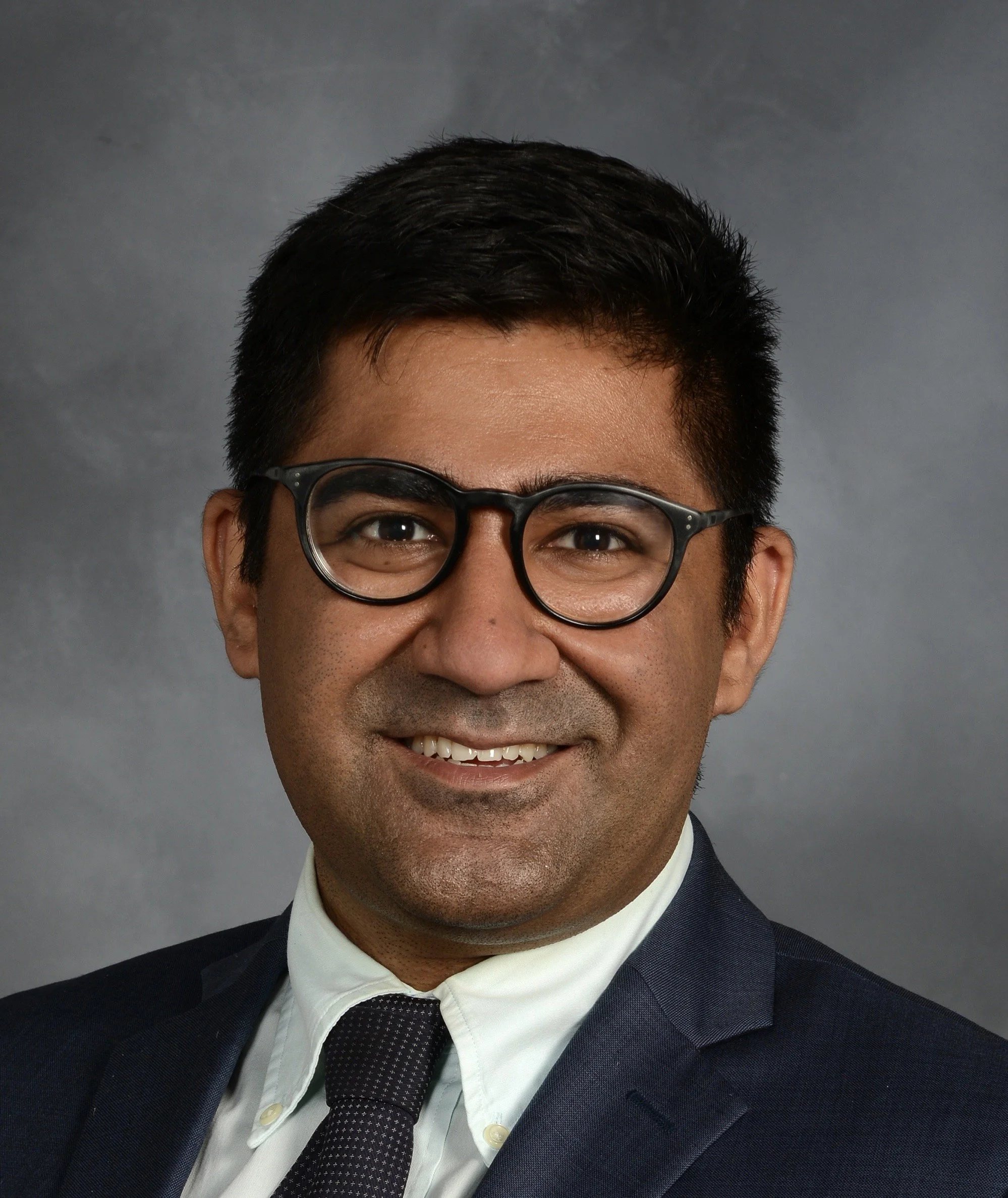
Rohan Jotwani, MD, MBA
Rohan Jotwani, MD, MBA is an academic anesthesiologist and pain medicine specialist at Weill Cornell Medicine, and practices clinically in both fields. He also serves as the Editor-in-Chief of the Journal of Medical Extended Reality. In his roles as the Nanette Laitman Scholar in XR/AI and the Co-Director of the Extended Reality Anesthesiology Immersion Lab, he advances the use of extended reality to enhance medical training and patient care.
-
![]()
Sowmya Sanapala, MD
Sowmya Sanapala, MD is the Associate Director of Innovation and an Assistant Professor of Clinical Emergency Medicine at Weill Cornell Medicine (WCM). She joined WCM as a Healthcare Leadership and Management (HLM) fellow in the Department of Emergency Medicine, where she concurrently completed Cornell's Executive MBA and MS degrees and was named a Dr. Lorna Breen Scholar. She also led departmental quality and operations initiatives, and drove research focused on healthcare gaps in non-English language preference (NELP) patients and potential workflow solutions.
-
![]()
Olivier Elemento, PhD
Olivier Elemento, PhD, is the Director at the Englander Institute for Precision Medicine at Weill Cornell Medicine, a large multi-disciplinary institute that uses precision medicine technologies and informatics to uncover the molecular mechanisms of disease and individualize disease treatment and prevention. In addition, he is a full Professor of Systems and Computational Biomedicine, Associate Director of the Institute for Computational Biomedicine at Weill Cornell Medical College, and Associate Director of the Clinical and Translational Science Center at Weill Cornell Medical College.
-
![]()
Mohammed Harris, PhD, MBA, MPH, MPA
Mohammed Harris is an executive leader working at the intersection of diagnostics innovation, translational science, multiomics, and preventive health. Dr. Harris serves on the Executive Board of TimepointDx and Board of Directors for multiple non-profits organizations (Global Newborn Solutions, TUBB2A Foundation, Myositis Support and Understanding Association). He is an investor/advisor to multiple healthcare technology startups, including Biostate AI, K-Dense, Ecosense.io, and LoBio Sciences.
-
![]()
Jiwoon Park, PhD
Jiwoon Park, PhD is a postdoctoral researcher jointly appointed at Harvard Medical School's Wyss Institute (Church lab) and Weill Cornell Medicine (Mason lab), where she integrates experimental and computational approaches to decode the spatial architecture of human tissues in health and disease. Jiwoon earned her B.Eng. and M.Eng. in Chemical Engineering from The Cooper Union and her Ph.D. in Physiology, Biophysics, and Systems Biology from Cornell University, where she developed stem cell-derived hepatocyte models and computational frameworks to investigate liver disease under Dr. Charles Rice at Rockefeller University.
-
![]()
Sarah Matt, MD, MBA
Sarah Matt, MD, MBA is a physician, national bestselling author, and healthcare AI strategist. She advises health systems and health technology companies on clinical AI governance, physician adoption, and commercialization strategy, and serves as Assistant Professor at SUNY Upstate Medical University. Her book, The Borderless Healthcare Revolution (Wiley, 2025), is a national bestseller. Dr. Matt also hosts The Clinical Realist, a weekly podcast on healthcare AI and care delivery strategy.
-
![]()
Hortense Gimonet-Lee, MS
Hortense Gimonet-Lee is a data scientist who spent six years thinking about improving clinical care through software at 91Life, a health tech startup specializing in remote monitoring of cardiac implantable electronic devices. She joined as a data scientist focused on data migration and onboarding, working closely with clinical staff to get the platform running at hospitals. She holds a BA in Mathematics from Cornell University and an MS in Machine Learning from Cornell Tech. She recently founded Amicus, a litigation productivity platform where she aims to bring her expertise in human-centered delivery of traceable AI models.
-
![]()
Andres Jimenez, MD, MBA, MS
Dr. Andres Jimenez is a physician entrepreneur, healthcare innovator, and Founder & CEO of HealthPrevent360, a company focused on transforming prevention through AI, emerging technologies, and more personalized models of care. Board-certified in Public Health and General Preventive Medicine and Clinical Informatics, Dr. Jimenez works at the intersection of medicine, data, and innovation to help move healthcare upstream—toward earlier risk detection, more precise prevention, and smarter patient engagement. His work is centered on reimagining how prevention is delivered, using technology to close care gaps, personalize decision-making, and build scalable solutions that better align patients, clinicians, and health systems.
-
![]()
Innocent Clement, MD, MPH, MBA
Dr. Innocent Clement is a physician, entrepreneur, and innovator focused on transforming how chronic disease is prevented and treated. He is the founder and CEO of Ciba Health, a precision care platform helping patients prevent and reverse complex chronic conditions through advanced diagnostics, physician-led care teams, and a root-cause approach.
-
![]()
Craig Kenesky, PhD
Craig Kenesky, PHD is a partner in Brown Rudnick’s Global Life Sciences Group and Emerging Growth Companies & Venture Capital Group. Craig advises technology companies, emerging ventures, and venture capital investors on IP strategy and the development, protection, and commercialization of patent portfolios across a broad range of technologies. Craig is actively engaged in the life sciences and startup communities through speaking engagements and mentorship, regularly advising founders and investors at the intersection of science, law, and commercialization.
-
![]()
Spencer Kimber, MS, MBA
Spencer Kimber is an Investment Principal at Shannon Life Sciences, where he leads the private capital investment strategy across biopharma venture capital, healthcare services, and CPG. With 12+ years of experience spanning private equity, venture capital, corporate development, and strategy consulting, Spencer has led or advised on over $5B in transactions including acquisitions, investments, and strategic partnerships across the healthcare and life sciences ecosystem.
-
![]()
Natalie Baratta, MSN, AGNP-C, BSN, RN
Natalie Baratta is a board-certified Adult Gerontology Nurse Practitioner currently specializing in genetics and personalized cancer prevention. She graduated with a master's in nursing from Hunter College in 2022 and prior to that spent 8 years working as an RN in medical-surgical, ICU, and perioperative services. She is dedicated to helping assess cancer risk in her patients and assist with tailored screening programs and care coordination.
-
![]()
Jennifer Kindman, MD
Jennifer Kindman, MD is an Assistant Professor of Emergency Medicine in Clinical Radiology and Assistant Professor of Clinical Emergency Medicine at Weill Cornell Medicine, and an Assistant Attending Physician at the NewYork-Presbyterian Hospital. She completed residency training in Emergency Medicine at NewYork-Presbyterian Brooklyn Methodist Hospital and is Board Certified in Emergency Physician by the American Board of Emergency Medicine (ABEM).
-
![]()
Yiye Zhang PhD
Yiye Zhang, PhD is Associate professor in Population Health Sciences and Emergency Medicine at WCM, Informatics Director of Clinical Decision Support at NYPH, and Founding Editor in Chief at Nature portfolio Journal (NPJ) Health Systems. Her expertise lies in the development, translation, and evaluation of AI-enabled clinical decision support tools to real-world patient care. Dr. Zhang’s research has been funded by NIH and AHRQ, and her research has previously been commercialized with WCM Bioventure. She holds a PhD in Information Systems Management from Carnegie Mellon University and a MS in Biostatistics from Columbia University.
-
![]()
Isaac Michaels, DrPH, MPH
Isaac Michaels, DrPH, MPH is a public health professional and epidemiologist whose work focuses on connecting research with practice to improve community health and health systems performance. He serves as a Senior Data Scientist at NewYork-Presbyterian, where he applies analytics and research methods to initiatives spanning community health, health equity, quality and patient safety, and healthcare operations. His career has included roles in government and hospital settings, providing a broad perspective on public health practice and health policy. Dr. Michaels holds a DrPH in Epidemiology and an MPH from the University at Albany, and a BA in Mathematics and Anthropology from Binghamton University.
-
![]()
Julia Iyasere, MD, MBA
Julia Iyasere, MD, MBA is Senior Vice President and System Chief Medical Officer at NewYork-Presbyterian and Executive Director of the Dalio Center for Health Justice. In this role, she leads the Center's efforts to address longstanding health disparities due to race, socio-economic differences, limited access to care, and other complex factors that impact the wellbeing of our communities disproportionately. An Assistant Professor of Clinical Medicine at Columbia University Irving Medical Center, Dr. Iyasere continues to see patients as an internist in the Section for Hospital Medicine.